
Book 2: Visayas
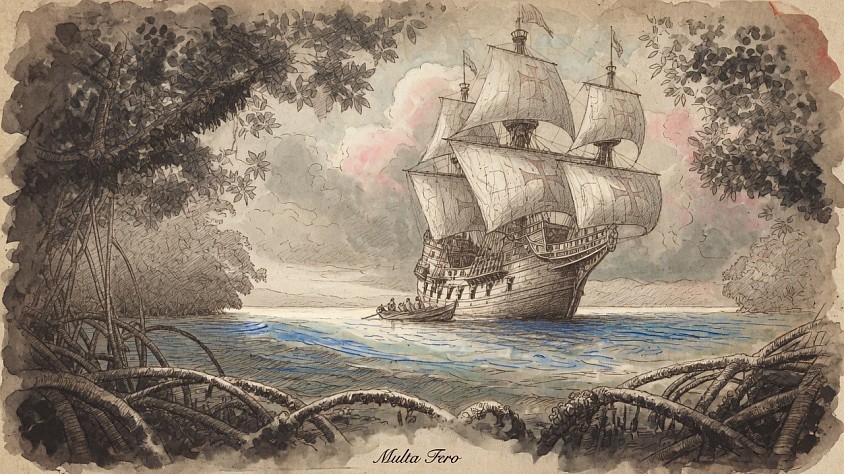
Passing through the natural channel between Samar and Leyte
Visayas
O Reader, thou who turnest these pages in the quiet of thy chamber or beneath the indifferent stars, hearken to me—the Eternal Observer, the sleepless Eye that has gazed upon the rise and fall of empires since the first dawn split the primordial chaos. In the year of our Lord 1564–1565, I draw thee into the grand providential drama of Miguel López de Legazpi’s expedition, four barnacled galleons groaning across the Pacific’s boundless azure, bearing the Cross and Crown into the emerald archipelago that would one day be called the Philippines. Here unfolds not mere chronicle of sails and swords, but a Victor Hugo-inspired epic of humanity’s eternal clash: the sublime grandeur of faith and ambition contending with the grotesque frailty of mortal hearts, the City of God illuminating the shadowed alleys of the City of Man.
From the incense-laden convents of New Spain, where Augustinian titans like Andrés de Urdaneta, Martín de Rada, Diego de Herrera, and Pedro de Gamboa grapple with royal redirection from New Guinea’s pristine dream to the Philippines’ tangled destiny, the fleet departs Barra de Navidad. Inner monologues thunder with doubt and surrender; Herrera’s scholarly spirit stirs toward the golden reliquary of the Child Christ, a luminous thread of continuity from Charles V to Rajah Humabon. Across the Pacific’s forge—volcanic sulfur and frangipani perfumes at Guam, where a cabin boy’s tragic death demands measured retribution yet tempers Legazpi’s prudence—the ships endure ferocious gales and moral abysses. Friars debate mercy against the rod; Urdaneta urges heavenly wisdom over earthly orders, his conscience a battlefield of light and shadow.
In the Visayas, sensory tempests mirror inner storms: wary Chamorros and Warays, blood compacts like the Sandugo with Datu Sikatuna on Bohol’s golden sands, where crimson mingles in wine beneath whispering palms, forging fragile kinship amid Portuguese scars. A Bornean pilot unveils trade routes and depredations; a Chinese junk yields intelligence of Maynila’s sheltered bay. Pirate clashes in the Sulu Sea thunder with cannon and kris, freeing captives while Legazpi recoils at blood’s price. Divine justice manifests in storms, floggings, and ecstatic landfalls—Cabo del Espíritu Santo’s emerald headlands rising like benediction on the Feast of the Holy Spirit. At Cebu, parleys falter, cannon roar, and stockades rise amid charred huts, yet friars envision altars and the Santo Niño’s enduring grace.
Amid animistic rituals of babaylans and the philosophical echoes of Augustine, this saga reveals empire’s fleeting dream—woven of prayer, sword, remorse, and providence. Every spear, doubt, alliance, and act of forbearance advances the grand, tragic tapestry of conquest and conversion, where the human soul’s luminous contradictions shine forth.
Enter these Isles of God, Reader. Contemplate the Romantic duality: beauty entwined with ruin, faith’s light piercing ambition’s shadow. In Legazpi, Urdaneta, and the souls they encounter lies the eternal mirror of our own voyage—frail vessels upon infinite seas, guided by unseen hands toward harvests yet unknown. What seeds sown in bloodied paradise shall bloom across centuries? Only the Eternal Observer discerns the full unfolding. Turn the page, and embark upon this providential odyssey.
Chapter 1: Guam Island
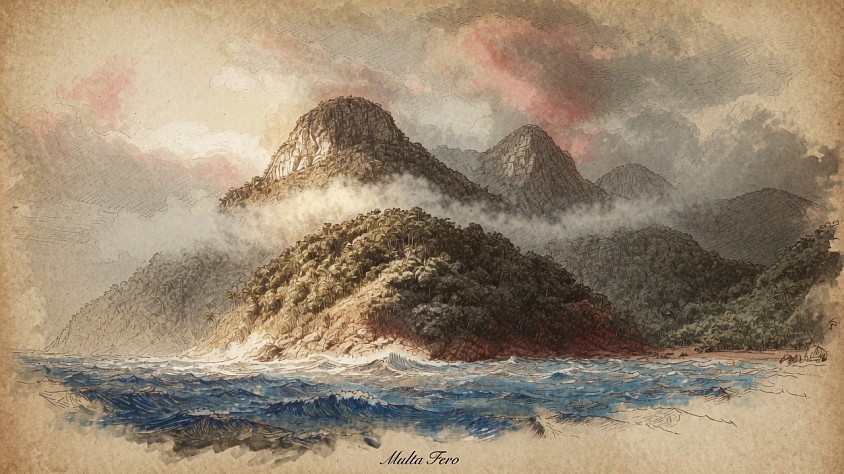
El Cabo del Espíritu Santo
In this chapter of the “Legazpi, Isles of God” saga, the Eternal Observer draws the Reader into the providential drama of 1565, where Miguel López de Legazpi’s fleet, four barnacled galleons forged in the crucible of the Pacific, embodies humanity’s eternal clash between grandeur and frailty, the City of God and the City of Man.
At Guam in January, amid volcanic sulfur and riotous tropical perfumes, weary Spaniards trade iron for coconuts and fish with wary Chamorros haunted by Magellan’s legacy. Friars debate mercy versus discipline: Fray Pedro de Gamboa champions gentle evangelization, while pragmatists invoke the rod; Urdaneta urges Legazpi to establish a base east of the Zaragoza line, yet royal orders compel them westward, staining the commander’s conscience with foreseen blood and unresolved guilt. Sensory tempests mirror inner turmoil—frangipani sweetness against the rot of doubt.
Tragedy strikes as a cabin boy, slain in emmok revenge, prompts measured retaliation: huts burned, captives hanged, yet Legazpi restrains excess, his prudence contrasting prior expeditions. Augustinians intercede with prayers and compassion, their habits banners of fragile hope amid smoke and sorrow.
A ferocious gale tests the flotilla en route; sails tear, seas rage in sublime fury, yet faith and Urdaneta’s seamanship prevail. Landfall at Cabo del Espíritu Santo on the Feast of the Holy Spirit brings ecstatic release—cheers, tears, and hymns—as emerald headlands rise like divine benediction, gateway to the archipelago.
In Samar’s Visayas, initial blood compacts and gifts with Waray datu yield to suspicion and scarcity. Legazpi claims the isles with cross and standard amid moral councils: Goiti’s martial fire tempered by Urdaneta’s call to patience. Hunger gnaws, alliances fray, yet the expedition presses south, planting seeds of empire in bloodied paradise.
Here, amid whispering palms and crashing surf, the Observer reveals empire’s fleeting dream—woven of prayer, sword, and remorse—where every spear, doubt, and act of forbearance advances Providence’s grand, tragic tapestry of conquest, conversion, and the human soul’s luminous contradictions.
Chapter 2: Heart of Paradise
In this chapter of the “Legazpi, Isles of God” saga, the Eternal Observer summons the Reader into the providential forge of 1564–1565, where the Augustinian friars—humble titans of contemplation and zeal—embody the eternal clash between the City of God and the City of Man amid preparations and perilous voyages.
In New Spain’s convents, beneath volcanic sentinels and incense-laden air, Fray Andrés de Urdaneta and brethren like Martín de Rada, Diego de Herrera, and Pedro de Gamboa grapple with royal redirection from pristine New Guinea to the shadowed Philippines. Inner monologues thunder with doubt and surrender: obedience to sealed orders transforms frailty into instruments of grace, as Herrera’s scholarly spirit stirs toward the golden reliquary of the Child Christ, Emperor Charles V’s gift to Rajah Humabon—a luminous thread of continuity. Provisions loaded, prayers ascend, and the fleet departs Barra de Navidad on November 21, sails cracking like destiny’s thunder.
Across the Pacific and into Visayan waters, hunger gnaws with grotesque cruelty while sublime tempests test resolve. At Leyte, Cabalian, and Bohol, wary Warays and datus offer cautious trades and blood compacts; force yields provisions amid moral abysses, as friars debate charity versus necessity and Legazpi tempers steel with prudence. A Bornean pilot reveals Portuguese depredations, forging fragile alliances through fairness. Desolate Masao echoes Magellan’s ghost, while on Limasawa, the friars kneel before the weathered Cross of 1521, its sun-bleached beams evoking past glory and future harvest. Datu Bankaw’s hospitality—roasting pig, shared rice, entwined fingers—blends sensory paradise with wary welcome.
Amid animistic rituals of babaylan Aling Bayani—taruk dances, spirit possession, prophecies of a pure Child bridging worlds—the Observer unveils humanity’s Romantic duality: grandeur in aspiration, frailty in execution, light and shadow entwined. Sensory tempests of frangipani, volcanic sulfur, blood, and salt mirror inner storms of faith, doubt, and empire. Here, Providence reroutes ambition toward redemption, weaving blood compacts, scholarly foresight, and reluctant conquest into the grand, tragic tapestry of souls and isles, where every anchor dropped advances the divine design.
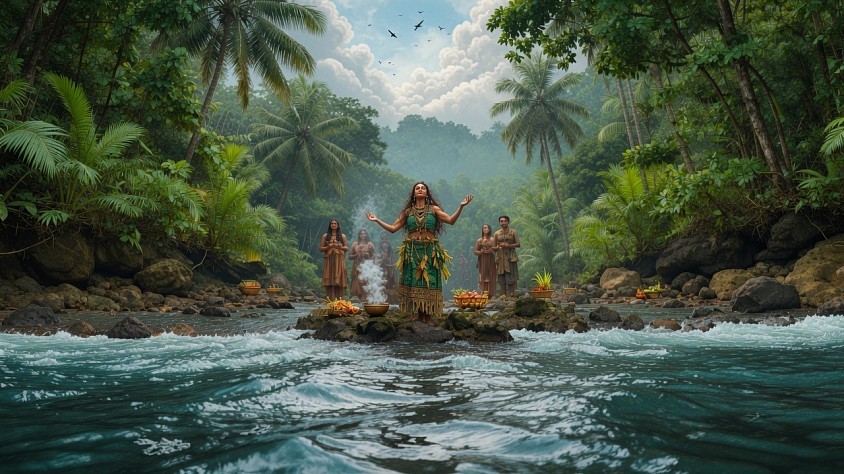
Babaylan Ceremony
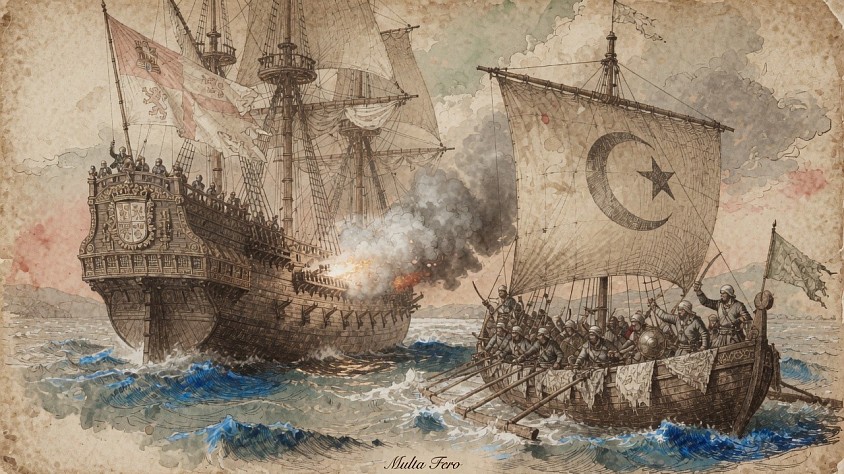
San Pedro against Moro Pirates
Chapter 3: Bohol Winds
In this chapter of the “Legazpi, Isles of God” saga, the Eternal Observer unveils the relentless forge of 1565, where Miguel López de Legazpi’s fleet—scarred galleons bearing Cross and Crown—navigates the Sulu Sea and Visayan waters, embodying humanity’s eternal dialectic of grandeur and frailty, divine justice and mortal passion.
Amid azure swells and mangrove shadows, the flotilla clashes with Sulu pirates—swift proas of Iranun, Banguingui, and Tausug raiders under Datu Salik and Bantilan, armed with kris, kampilan, and lantakas. Cannon thunder, grapeshot tears sails, and boarding melees erupt in sprays of blood and splintered wood. Spanish discipline and Urdaneta’s resolve prevail, freeing Bisaya captives amid cries of liberation, yet Legazpi’s conscience recoils: “What price empire, stained by the very blood we seek to redeem?” Moral tempests rage as friars weigh necessity against mercy.
On the Pacific crossing, divine justice manifests in scorching heat, Sabbath rites, and the flogging of thief Diego—lashes drawing crimson testimony to order amid frailty. Storms unleash mountainous seas and lightning, testing souls in a sublime crucible of endurance, while fishing yields bounty from teeming depths.
A chance encounter with a Chinese junk under Captain Li Feng yields precious intelligence: routes, Portuguese depredations, and the vast, sheltered bay of Maynila—gold-rich, river-nourished, a future nexus of Sangley trade. Urdaneta’s quill flies, forging bridges of knowledge over plunder, as gifts and dialogue temper suspicion into mutual respect.
At Cebu on April 27, anchors plunge into turquoise waters fringed by white sands and emerald hills. Silence greets them—villagers fled, drums throbbing defiance. Parleys fail; measured cannon fire and skirmishes secure the bay amid smoke and clash of steel. Legazpi directs stockades while friars envision altars; sensory paradises of coconut milk, rice, and frangipani contrast grotesque scars of conflict. Inner reflections thunder: conquest or salvation? Providence or ambition?
Here, blood, prayer, and intel weave the tapestry of empire—pirate fury, divine trials, dragon’s wisdom, and Cebu’s contested shores advancing the providential arc. Grandeur in aspiration clashes with frailty in execution, light and shadow entwined as the City of God contends with the City of Man upon these Isles of God.
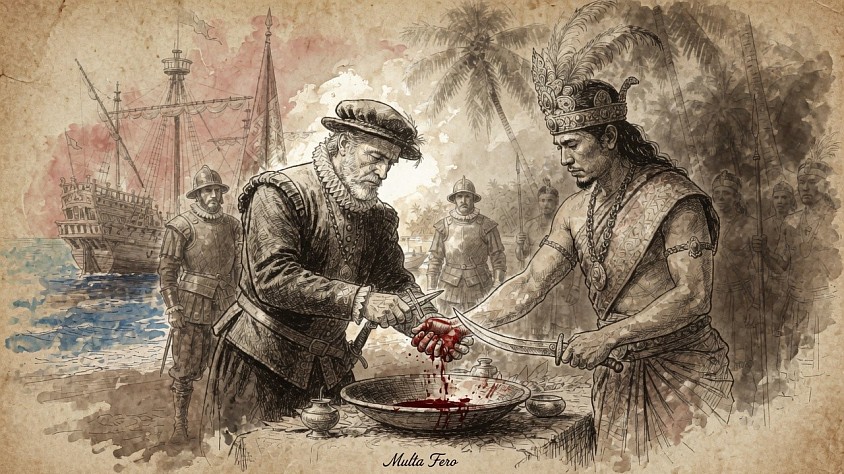
Blood Compact
Chapter 4: Blood Compact
In this chapter of the “Legazpi, Isles of God” saga, the Eternal Observer summons the Reader into the turbulent March–April of 1565, where Miguel López de Legazpi’s weary fleet navigates the Bohol Sea and returns to Cebu, embodying the sublime clash between faith’s light and empire’s shadow, grandeur of aspiration and grotesque frailty of conquest.
Off Bohol’s verdant shores, scarred by recent Portuguese and Ternatean raids that enslaved hundreds, wary datus greet the strangers with stones and suspicion. Friars Urdaneta, Gamboa, and Rada debate in lantern-lit councils: mercy versus necessity, the Cross against primal fear. Legazpi tempers steel with diplomacy, dispatching emissaries amid humid perfumes of frangipani and mangrove rot. Capturing a Borneo prao yields a Malay pilot whose revelations expose local hostilities rooted in prior depredations, easing tensions and guiding alliances.
The pivotal Sandugo unfolds on golden sands near Loay/Bo-ol: Datu Sikatuna and Legazpi mingle crimson drops in wine, drinking the sacred pact of “one blood” beneath palms whispering ancestral secrets. Sigala joins; gifts of beads, cloth, and mirrors forge fragile kinship. Provisions—rice, coconuts, fish—flow like manna, staving scurvy’s grotesque embrace, while intelligence charts the path to Cebu. Inner tempests rage: Sikatuna weighs ancestral pride against survival; Legazpi grapples with providence versus ambition; Urdaneta prays for souls untainted by the sword.
At Cebu on April 27—echoing Magellan’s fateful anniversary—parleys with Rajah Tupas falter amid evacuations and defiance. The Requirement proclaimed, cannon thunder under cover of forced landing. Deserted huts burn in controversial inferno; Spaniards secure the site, laying stockades and envisioning monasteries amid smoke and ash. Tupas later yields to treaty, birthing Villa San Miguel.
Amid turquoise bays, blood compacts, and charred shores, the Observer reveals humanity’s Romantic paradox: light contending with darkness, diplomacy tempering force, the City of God whispering through the City of Man’s iron necessities. Blood and prayer advance Providence’s tapestry across these Isles of God—fragile bridges over abysses of culture and conquest, where every alliance and skirmish etches eternity’s grand, tragic design.