
The Dawn Conquest of the Philippine Isles
Legazpi, Isles of God is a sweeping hexalogy of epic historical novels that brings to life the 1564 Legazpi expedition to the Philippine Islands and the dramatic Spanish conquest that followed. Written in the grand, cinematic style of Victor Hugo, the series masterfully combines meticulous historical detail with vivid storytelling and unforgettable characters. Every book is richly illustrated with 75 stunning images.
Book 1: Departure is available as of August 1, 2026.
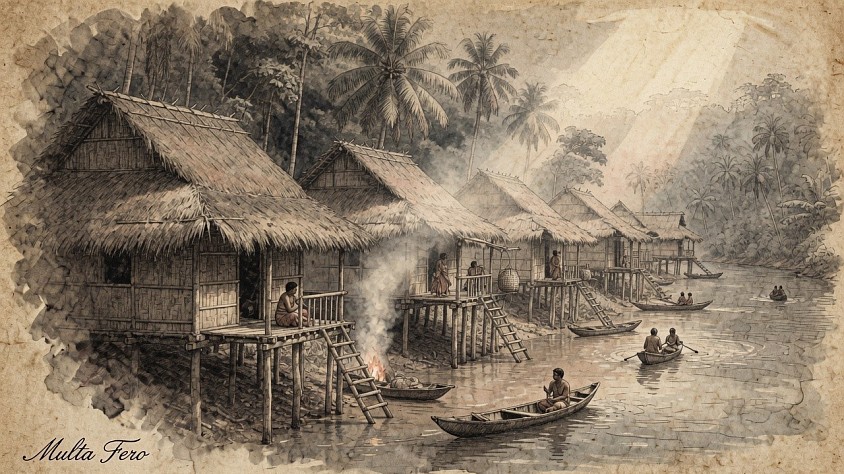
Pasig River before Spanish Colonization
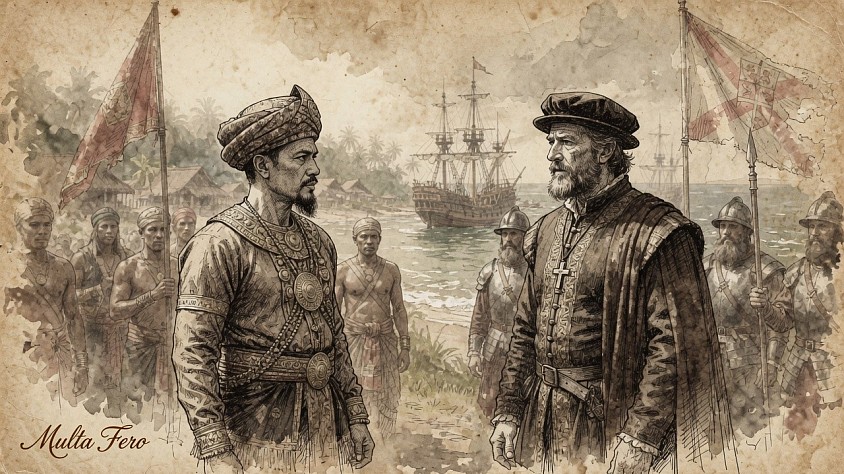
Magellan & Rajah Humabon of Cebu in 1521
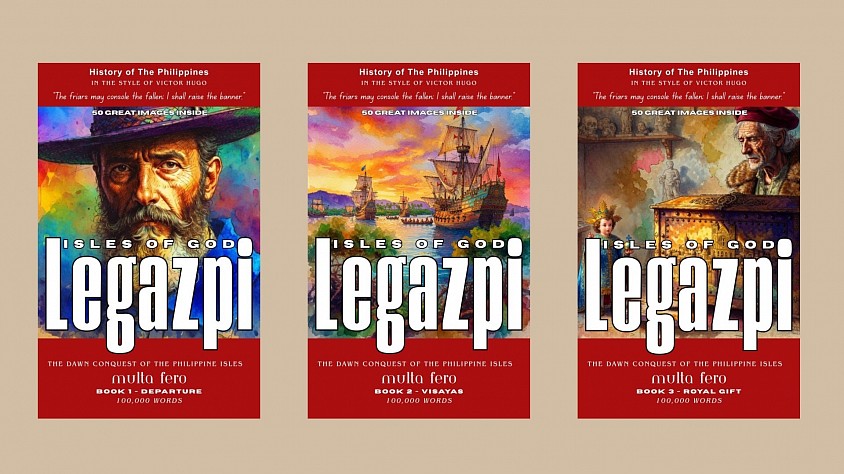
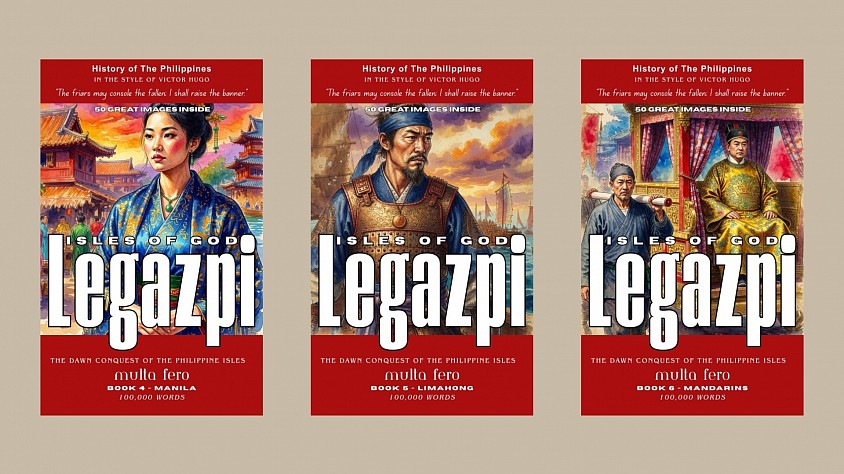
The Legazpi Hexalogy
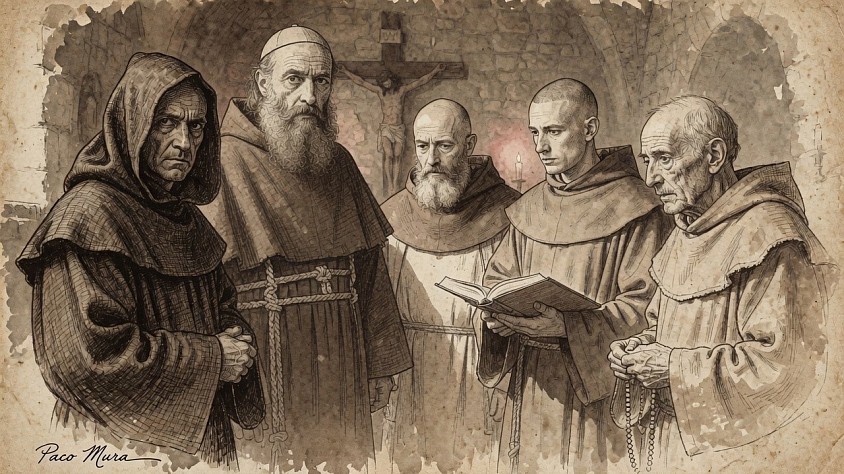
The 5 Augustinian Friars of the 1564 Legazpi Expedition
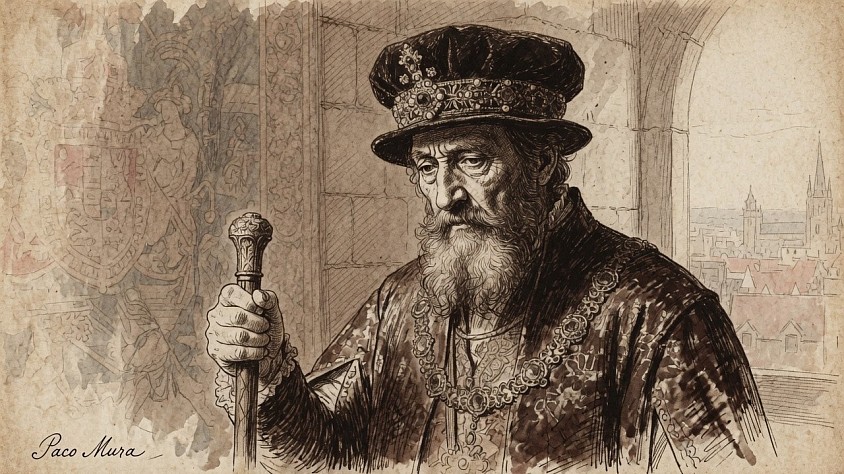
Charles V Emperor Holy Roman Empire (1500-1558)
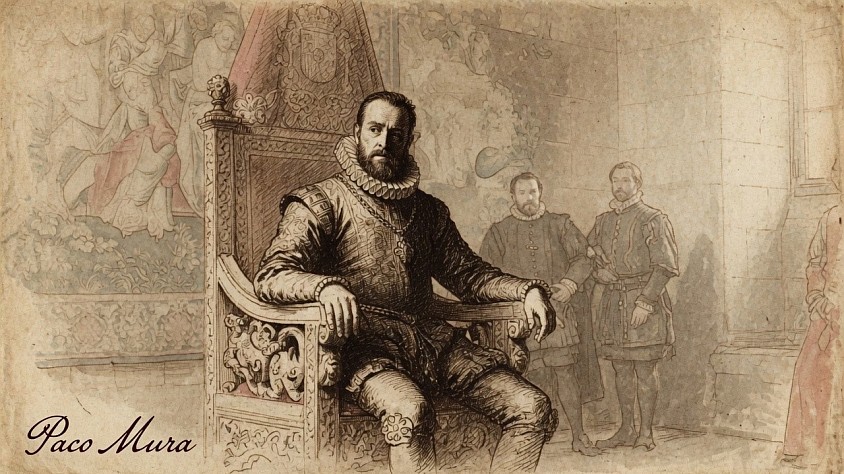
Philip II, King of Spain (1527-1598)
Philip II (1527–1598), King of Spain and Portugal, was a driving force behind global exploration and empire-building. He commissioned Miguel López de Legazpi’s 1564 Pacific expedition, which established Spanish rule in the Philippines and secured the vital Manila Galleon trade route via Andrés de Urdaneta’s return passage. Under Philip, Spain’s maritime empire reached its zenith, funding voyages that linked Asia, the Americas, and Europe.
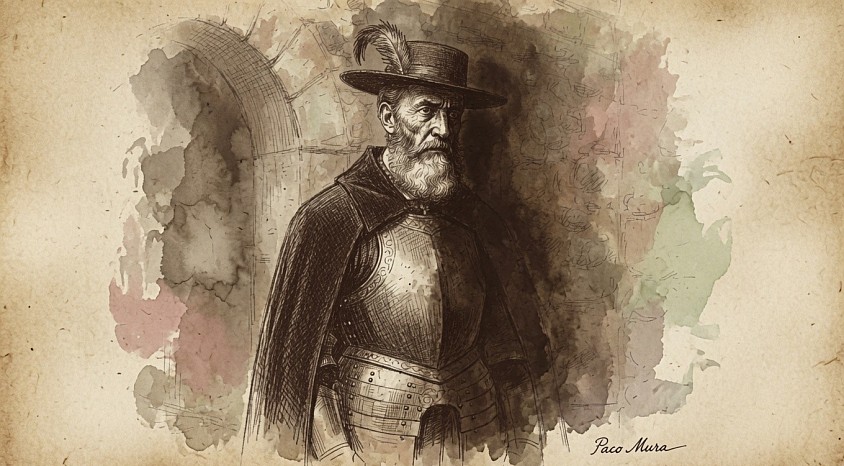
Miguel López de Legazpi (1502-1572)
Miguel López de Legazpi (c. 1502–1572), Spanish conquistador and explorer, commanded the 1564–1565 royal expedition from New Spain across the Pacific. He founded the first permanent Spanish settlements in the Philippines, including Cebu (1565) and Manila (1571), establishing colonial rule and securing the western anchor of the Manila Galleon trade route.
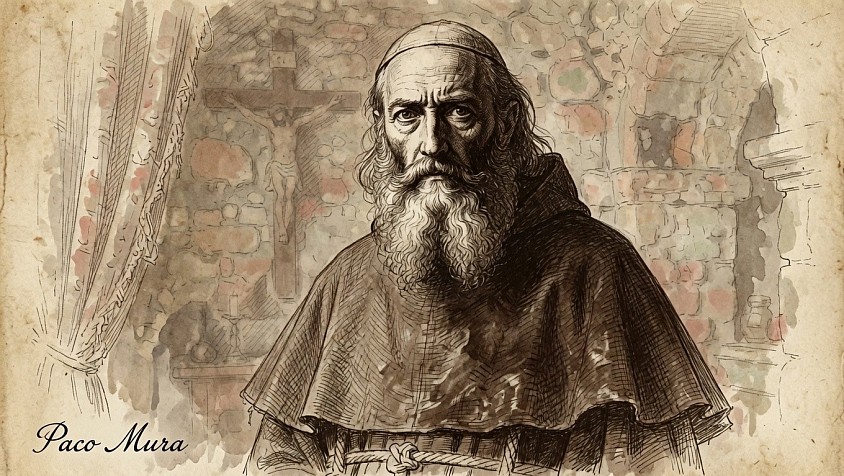
Andrés de Urdaneta (1498-1568)
Andrés de Urdaneta (1508–1568) was a Spanish Augustinian friar, navigator, and explorer who played a pivotal role in Pacific exploration. Sailing with Miguel López de Legazpi in 1564, he established the first permanent Spanish settlement in the Philippines. Most famously, in 1565 he discovered the vital eastward return route across the Pacific—“the Torneviaje”—from the Philippines to Mexico, enabling the enduring Manila Galleon trade.
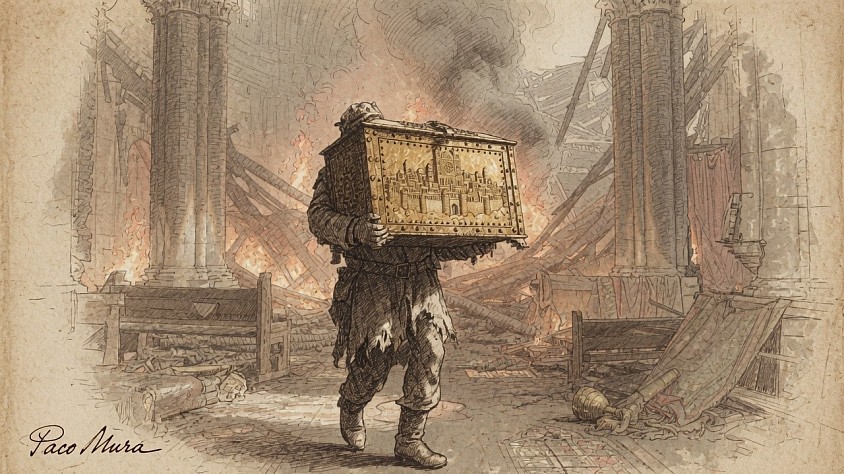
The Reliquary stolen from the Ashes of a Flemish Church
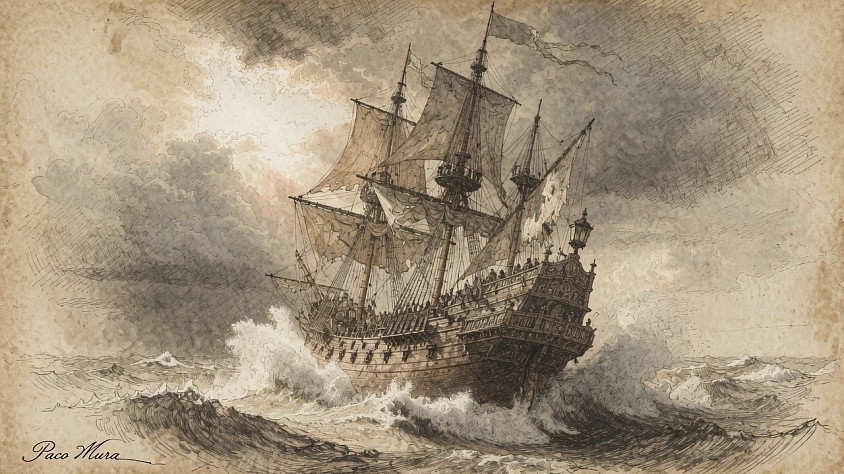
The unending war between light and darkness
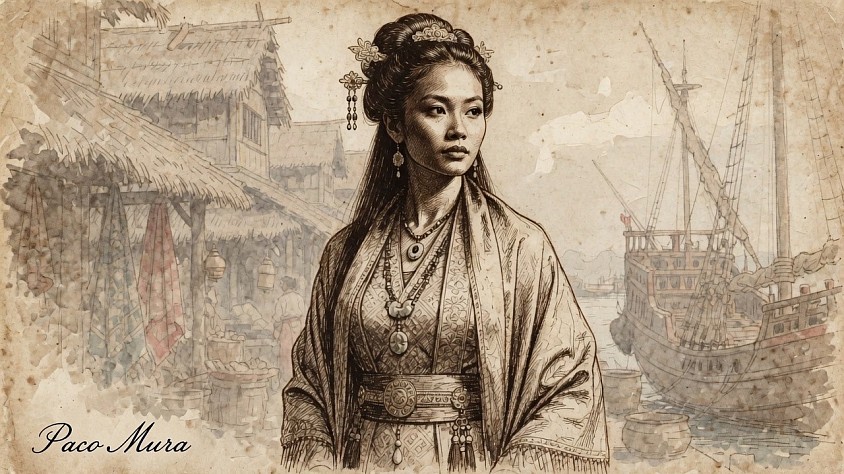
Maria Esmeralda Lin a.k.a. Indigo
Crafted by the Flemish master Conrat Meit, the tender wooden statue of the Infant Christ—serene, blessing hand raised—conceals a reliquary of shadowed origin: a vessel steeped in blood and forgotten sins from the Old World’s courts. Across the pentalogy’s galleons and intrigues, this sacred relic threads destiny’s crimson path, binding faith, empire, and redemption in the Isles of God.
In pre-colonial Panay, bayoguin—effeminate men embodying both masculine and feminine energies—served as revered babaylan shamans. They communed with anito spirits, healed the sick, performed rituals, and mediated with the divine, often in women’s attire and roles. Amid Spanish conquest, these liminal spiritual leaders resisted conversion, fueling revolts and preserving indigenous faith against colonial erasure in the Visayan heartlands.
Betrayal or guidance? Desertion or destiny? The Adelantado’s sudden silence fell like a dagger through colonial haze. In every voyage, in every conquest, the heart of man wages its unending war between light and darkness, fidelity and ambition, free will and the inexorable pull of Providence.